



Latest articles
Fresh healthcare insights

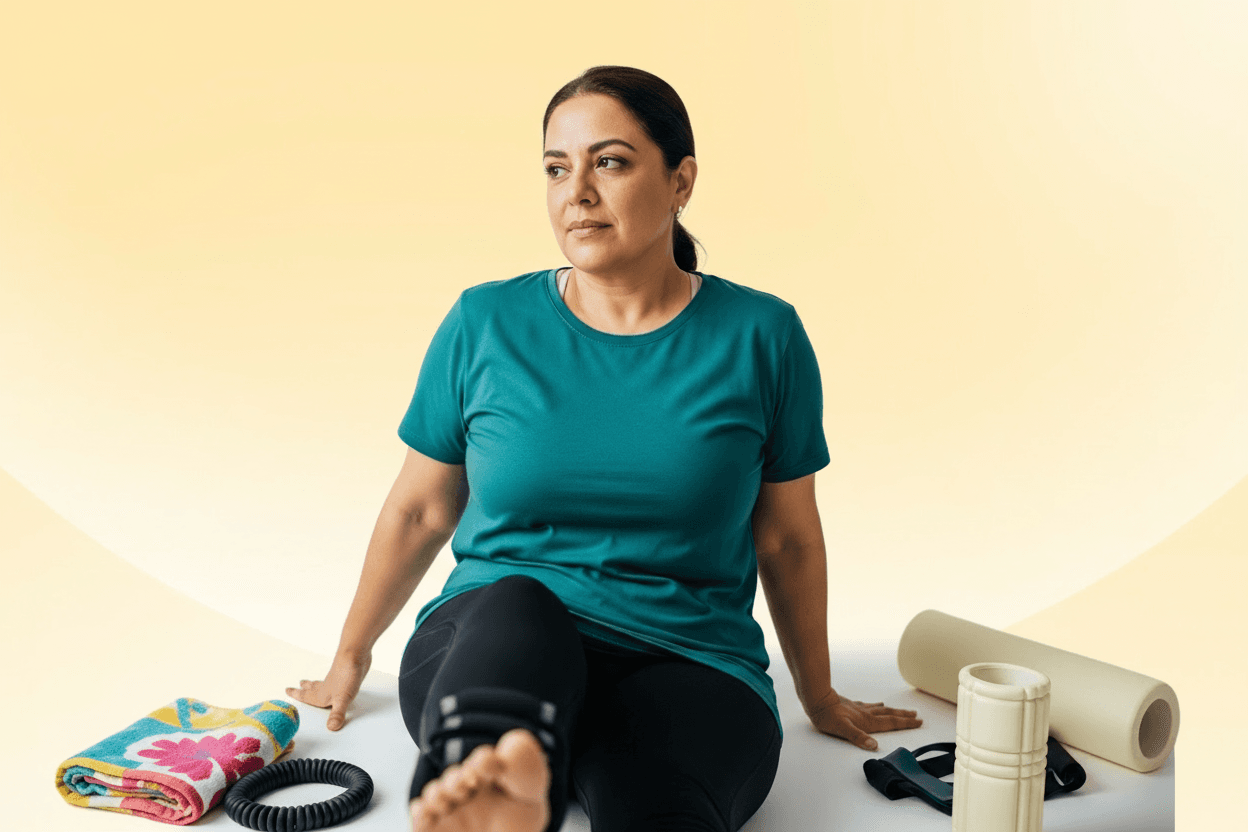
Reverse inactivity and slash MSK costs with Sword Move's 3:1 ROI
Discover how proactive MSK care with Sword Move delivers $1,663 in average savings per member and a 3:1 ROI. Certified by the Validation Institute.
August 26, 2025

Morgan Hollis

GLP-1 muscle loss: the hidden cost of weight loss without movement
Up to 39% of lean muscle mass can be lost during GLP-1 treatment. Learn why structured movement is critical to protecting long-term health.
August 22, 2025
Morgan Hollis

Boosting weight loss program ROI with structured movement plans
Up to two-thirds of GLP-1 weight loss is regained after discontinuation. Learn how preserving muscle through movement protects long-term outcomes and ROI.
August 21, 2025

Sword Editorial Team
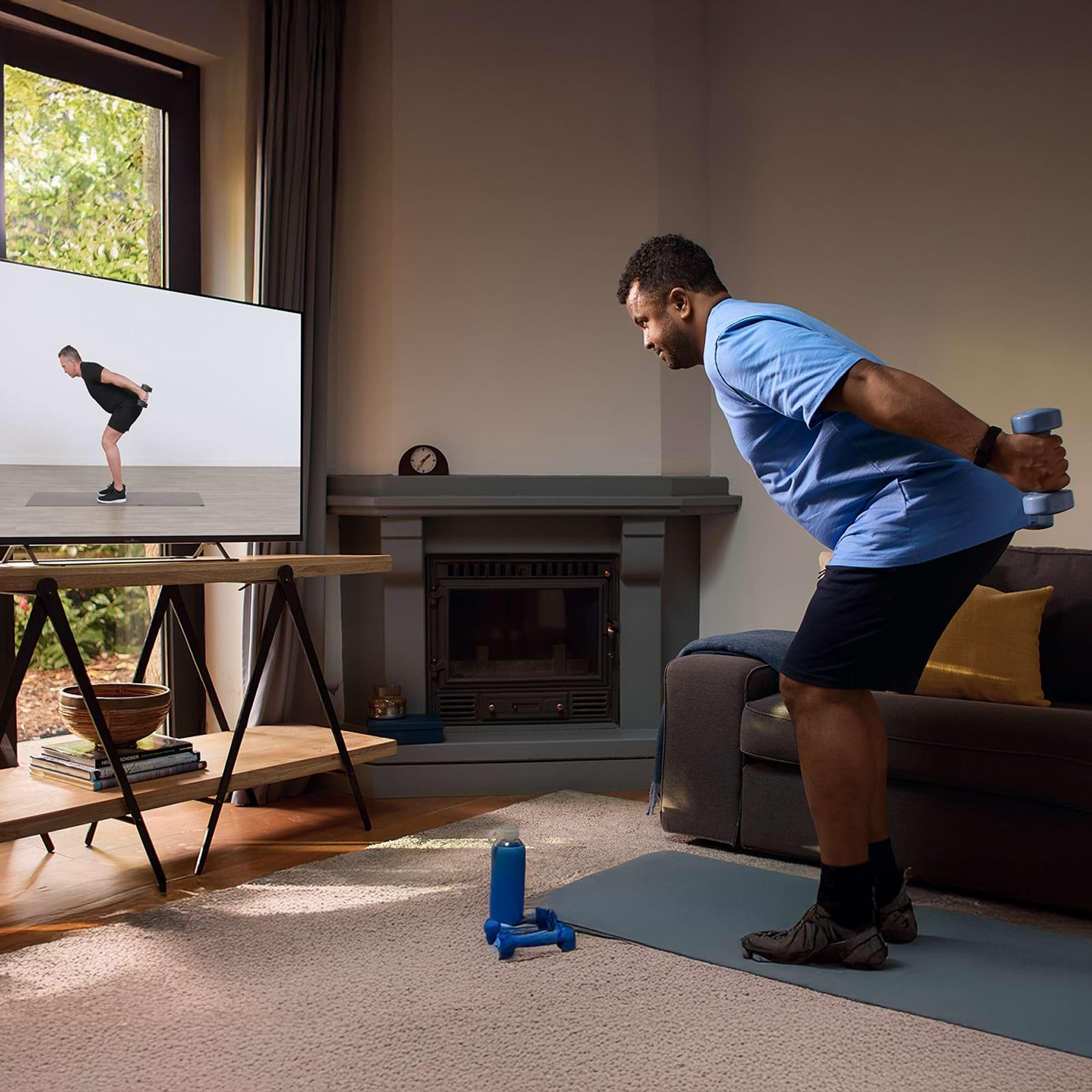
How to prevent muscle loss during weight loss
Want to lose fat without losing muscle? Learn how structured movement protects strength and supports long-term results during weight loss and GLP-1 treatment.
August 21, 2025
Morgan Hollis

GLP-1 cost savings strategies: How movement boosts ROI
GLP-1 costs are rising. Learn how movement-first strategies reduce spend, prevent re-prescription, and improve long-term program ROI.
August 20, 2025
Morgan Hollis

GLP-1 side effect management: prevent muscle loss and slash MSK costs
Muscle loss from GLP-1s can increase MSK pain, falls, and hidden costs. Learn how structured movement reduces risk and supports sustainable outcomes.
August 20, 2025
Morgan Hollis

Weight loss drugs and muscle loss: MSK risks to avoid
Most weight loss drugs reduce fat — and muscle. Learn how to prevent lean mass loss and protect your population from hidden MSK costs.
August 20, 2025
Morgan Hollis

Semaglutide and muscle loss: what health plans need to know
Up to 39% of lean muscle mass can be lost on semaglutide treatment. Learn how to prevent MSK risk and preserve ROI with structured movement.
August 20, 2025
Morgan Hollis

GLP-1 preauthorization: Using movement plans for sustained weight loss
Explore how requiring structured movement before prescribing GLP-1s can reduce muscle loss, improve outcomes, and future-proof your benefit strategy.
August 20, 2025
Morgan Hollis

Why effective employer perks matter more than ever to employees
Learn why employer perks are a strategic tool for hiring top talent. Explore what makes a benefit valuable and how Sword Health delivers ROI.
August 19, 2025
Sword Editorial Team

Wellness programs that boost employee productivity
Explore how Sword Health delivers clinical digital care that reduces absenteeism and boosts productivity beyond traditional wellness programs.
August 19, 2025
Sword Editorial Team
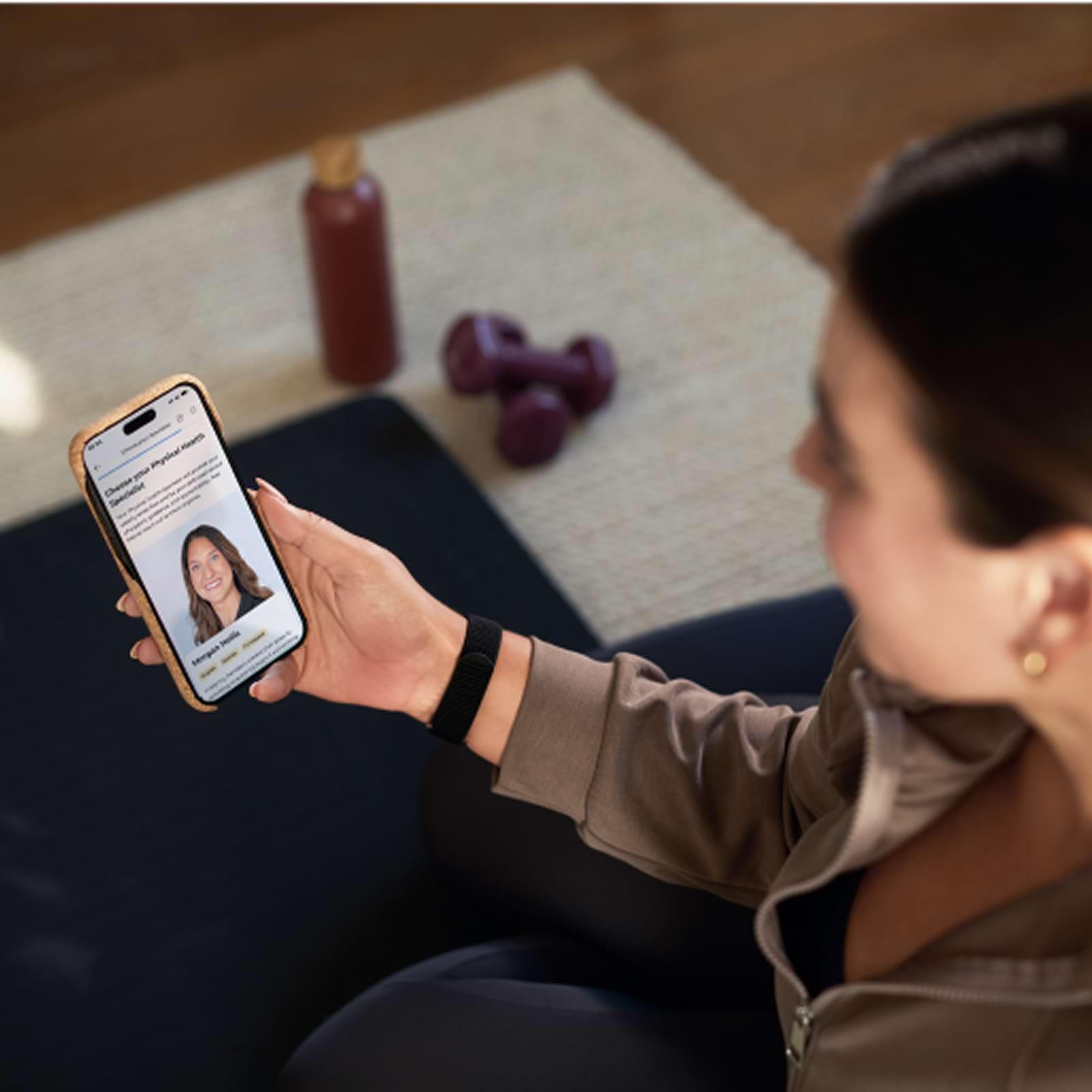
Enhancing employee engagement through health benefits
Discover how health benefits drive employee engagement and retention. Learn how Sword’s digital MSK care improves outcomes and boosts ROI.
August 19, 2025
Sword Editorial Team
For employers
Workplace health advice
How digital physical therapy improves employee retention
Did you know that fear of pain can be more disabling than pain itself? Chronic pain and employee turnover prevention are critically linked, but with the right MSK benefits coverage, employers can help their team members recover from pain to increase workplace productivity. Nearly 28% of people in the workplace will take leave for MSK pain over the course of a year. Patients who suffer the two most common conditions of low back and neck pain have an average return to work of 7 days. Overall, MSK conditions are responsible for 44 missed work days each year on average.
October 24, 2025 • 5 min read
Sword Editorial Team
How to evaluate and select the best digital MSK vendors
Musculoskeletal (MSK) disorders are one of the most expensive and under-addressed cost centers facing U.S. healthcare providers. MSK disorders affect 1 in 2 Americans and cost over $190 billion per year, more than heart disease, cancer, or mental health conditions. For employers and health plans, MSK claims are often among the top 3 cost drivers. And for members, chronic pain reduces quality of life, drives absenteeism, and often leads to costly downstream interventions. That’s why digital MSK solutions have surged in popularity. The promise is compelling: better access, which drives stronger engagement, delivers better outcomes, and therefore lowers overall healthcare costs.
October 24, 2025 • 6 min read
Sword Editorial Team
Reduce MSK costs with more effective digital MSK care plans
You’ve likely seen numerous digital health solutions that promise to lower medical spend. You’ve probably zeroed in on the top conditions with significant digital solutions in the marketplace: musculoskeletal (MSK), mental health, and diabetes. For most companies, prioritizing MSK care over other digital health solutions will drive the biggest benefits for your employees and your bottom line when it comes to savings. Given the multitude of vendors, platforms, and solutions available, prioritization can be a daunting task. How do you choose from among the thousands of digital health tools? What combination of condition focus and solution selection will drive the best outcomes for your population and the biggest return for your business?
October 24, 2025 • 5 min read
Sword Editorial Team
GLP-1 employer healthcare costs: lower spend with better outcomes
GLP-1 medications like Ozempic and Wegovy are transforming how employers approach obesity care. Once reserved for diabetes patients, these drugs are now widely prescribed for weight loss. GLP-1 drugs do deliver on their promise of improved cardiometabolic outcomes. Simply, these medications do help users lose weight. But for health plans and employers, the real challenge goes beyond pharmacy claims. The bigger risk is in the hidden costs that accumulate over time when GLP-1 treatment is not paired with sustainable lifestyle changes. Without movement programs to protect lean muscle and build healthy habits, employers may face a second wave of musculoskeletal (MSK) claims, re-prescriptions, and long-term disability costs. GLP-1 users often don’t develop the behaviour change needed to sustain weight loss over time. Also, lean muscle mass is often lost during GLP-1 use which leaves people at increased risk of musculoskeletal (MSK) issues as a result of lower strength and stability levels.
October 23, 2025 • 8 min read
Morgan Hollis
Expert guidance
From the experts: Ask a physical therapist

Ask a PT: when is the best time to do my exercises?
Before I joined Sword Health, I worked in brick-and-mortar clinics. I never worked weekends, and rarely worked past 6 pm. My schedule was great...for me. But for my patients, it was a real challenge. Attending a physical therapy appointment might require leaving work early or slipping out at lunch. Even patients with more flexible schedules would sometimes lament about finding childcare or arranging transportation. A thirty-minute appointment could easily take an hour or even 90 minutes once travel was taken into account. When I was in a clinic, the “best” time for a patient to do their exercises was the time that worked for me, not for them. Sword's virtual model gives our members the power to do their exercises when AND where it's most convenient for them. Now that I work remotely for Sword, I’m able to help our members figure out the best time to do their exercises at home. Now, when my members ask me when they should do their exercises, I tell them - the best time is when you’ll actually do them!
February 11, 2021 • 6 min read

Megan Hill

Ask a PT: Does walking really help with pain?
If you’ve ever stood on the sidelines of a sporting event, you’ve likely witnessed many falls, trips and tackles. Whether the players are small children or professional athletes, the advice from the coach may have simply been to “walk it off.” While that is not always the best solution after an acute injury, walking can be a really effective way to manage chronic pain. Motion is lotion. Movement increases blood flow, which brings nutrients to our tissues. It also helps those that don’t have blood flow, like cartilage. Cartilage lines our joints, absorbing impact. It’s surrounded by a liquid which provides it with nutrients, flowing in and out of it like a sponge. Exercise, like walking, causes loading that fills and squeezes that sponge, particularly in the joints of our legs and spine.
August 13, 2020 • 4 min read
Megan Hill

Ask a PT: What Is Causing My Shoulder Pain?
When your shoulder hurts, it can be difficult to tell exactly what’s gone wrong. You’ve probably heard of pinched nerves and rotator cuff tears. Perhaps you’ve also heard about shoulders being ‘impinged’ or ‘frozen.’ It’s not easy to keep these various shoulder conditions straight, especially when they all cause similar pain symptoms. The first step towards fixing a problem is identifying it. This article, written by a team of Doctors of Physical Therapy, is designed to help you figure out what’s causing your shoulder pain — so you can begin the process of healing it. We will dive into the five most common causes of shoulder pain and how to differentiate them. Cervical refers to the neck, and radiculopathy is pain that radiates to another body part. Hence, cervical radiculopathy: a pinched nerve in the neck, which can cause radiating pain affecting the shoulder. It occurs when the cervical spine becomes damaged due to sudden injury or degeneration over time, and squeezes or puts pressure on a nearby nerve.
November 1, 2023 • 6 min read
Megan Hill
Healthcare contributors
Meet Sword's expert authors

Vijay Yanamadala
Chief Medical Officer at Sword Health

Fernando Correia
SVP Clinical & Regulatory Affairs at Sword Health
Megan Hill
Director, Clinical Specialists
Morgan Hollis
Head of Clinical Strategy, Sword Move

Jennesa Atherton
Head of Clinical Affairs, Sword Bloom

Liz Santo
Senior Clinical Program Manager, Sword Bloom ·


